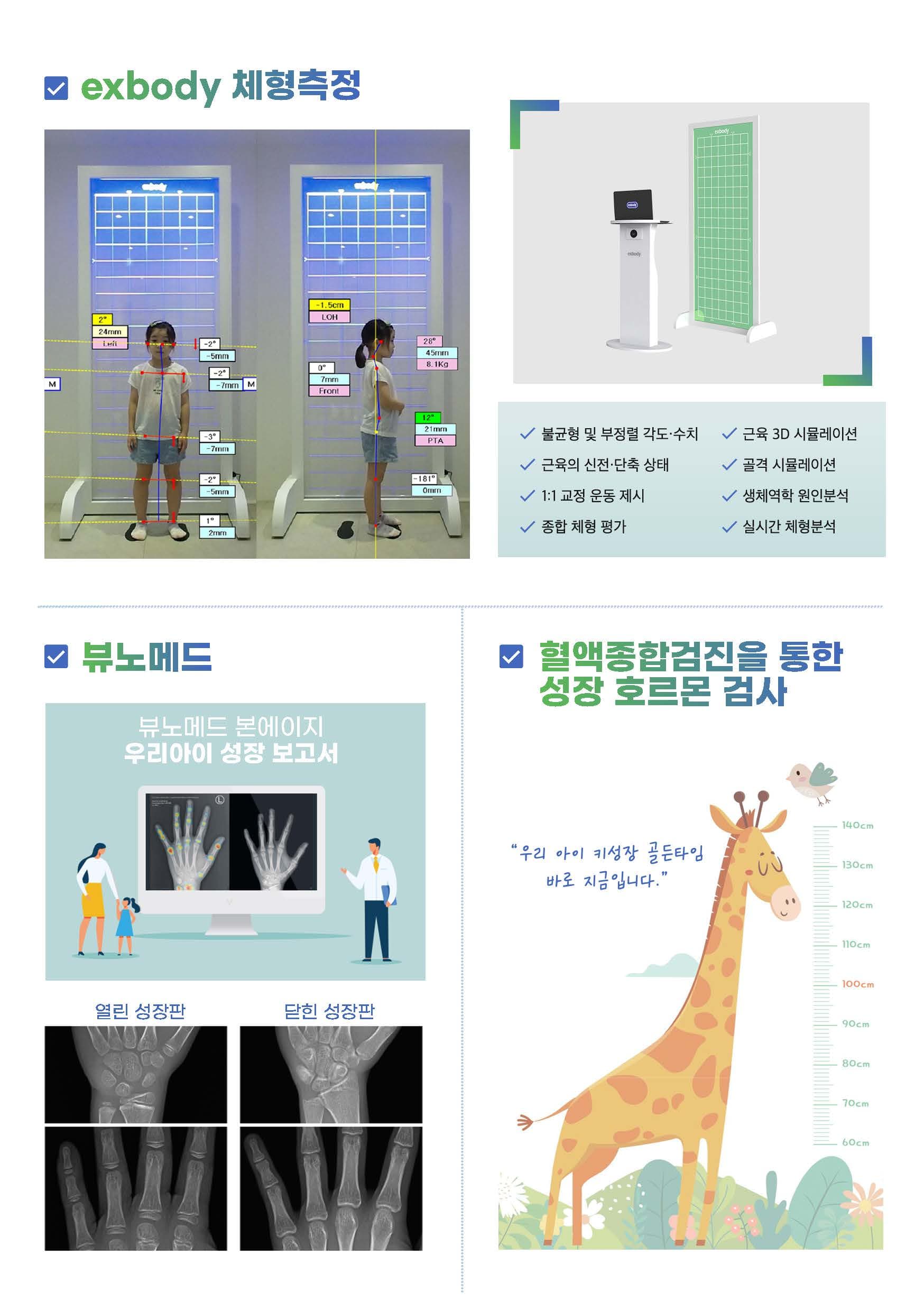
Growth Clinic Examination
Daechan Hospital's Growth Clinic walks with patients.
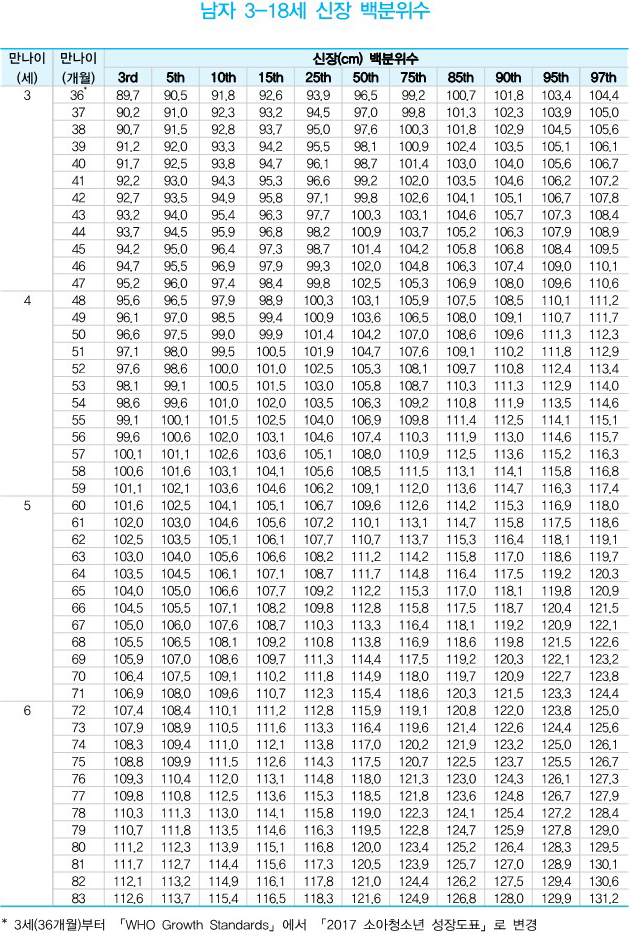
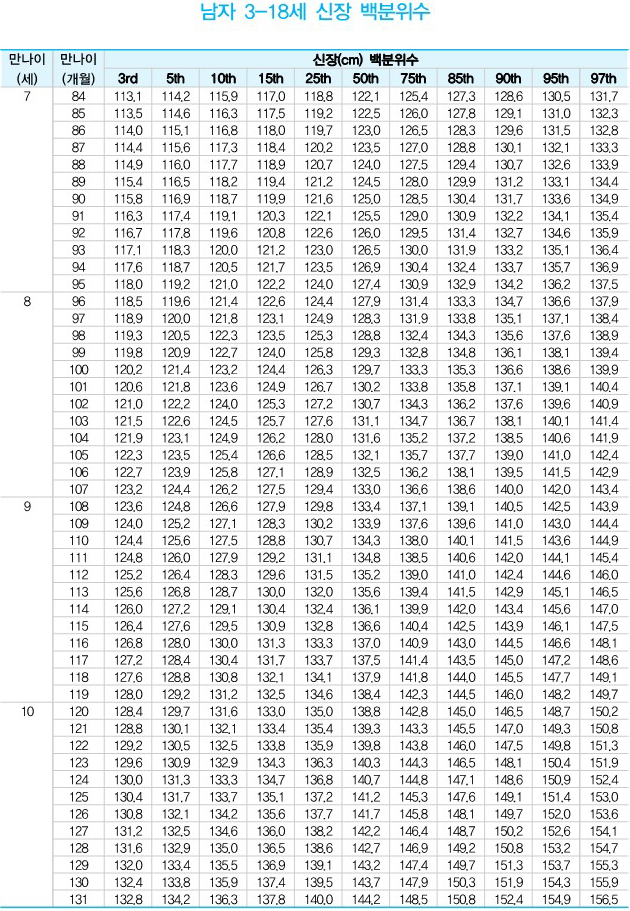
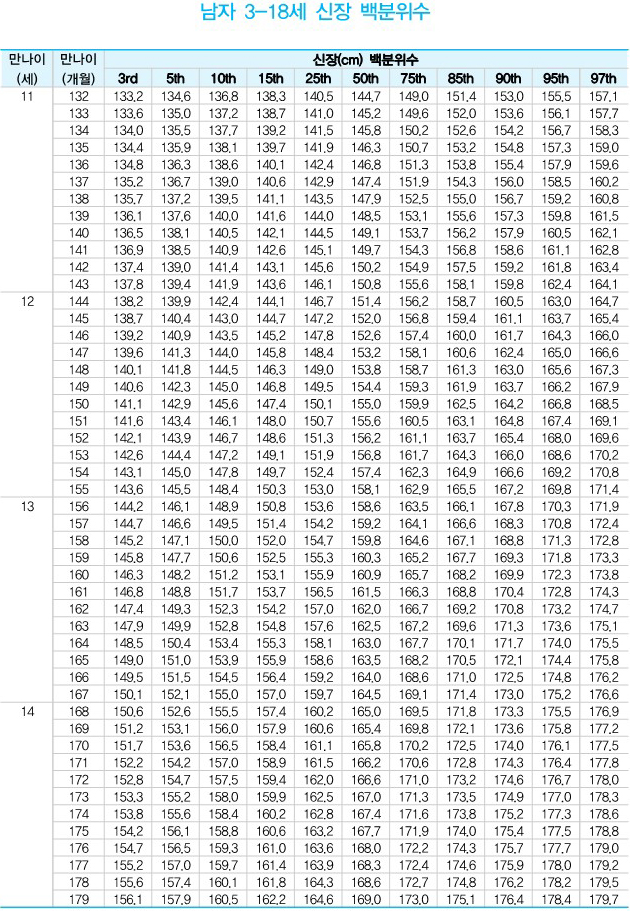
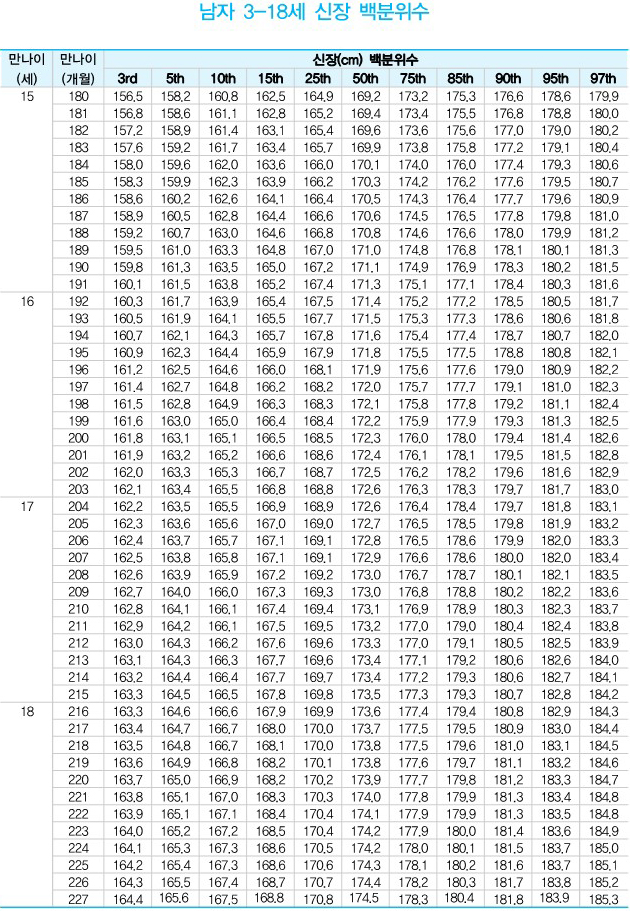
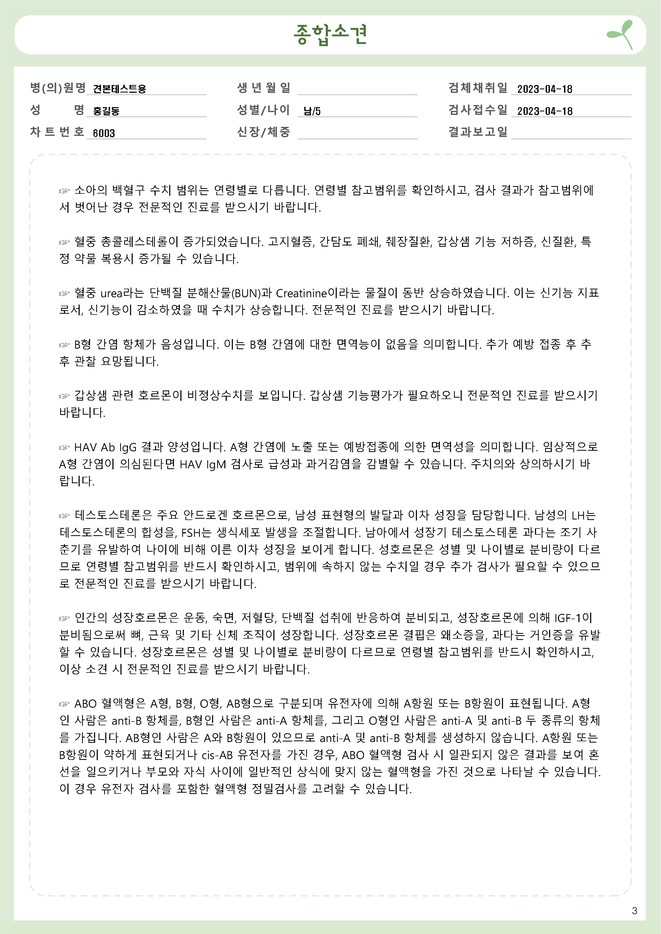
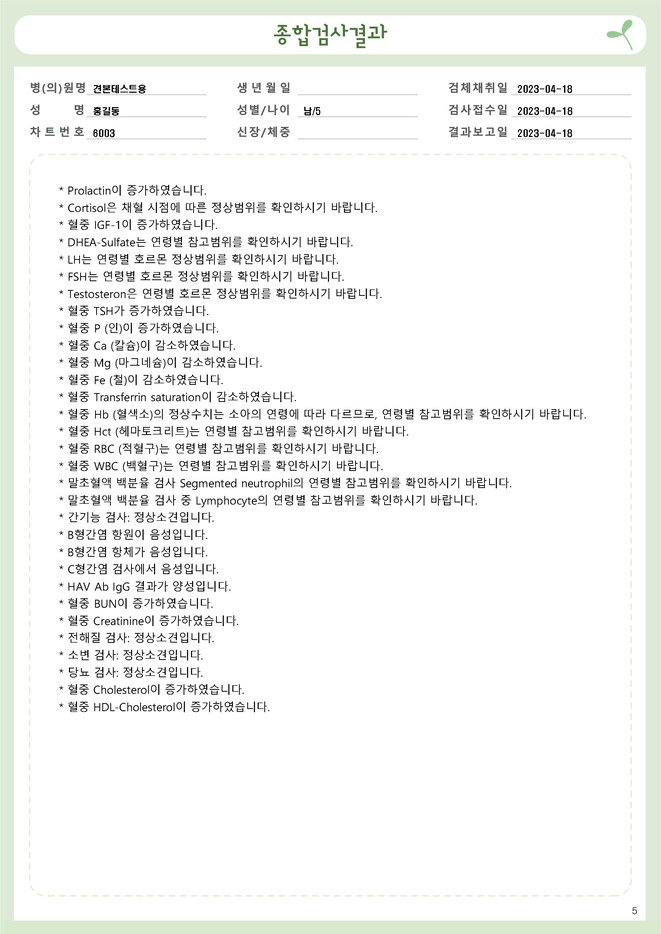
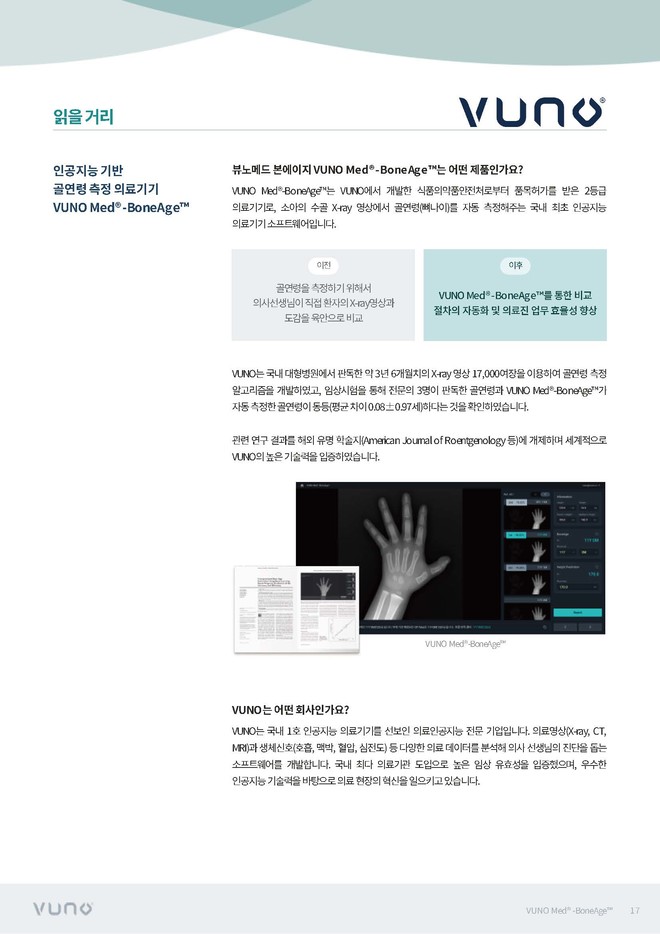
Pediatric Comprehensive Check-up



The Meaning of Growth
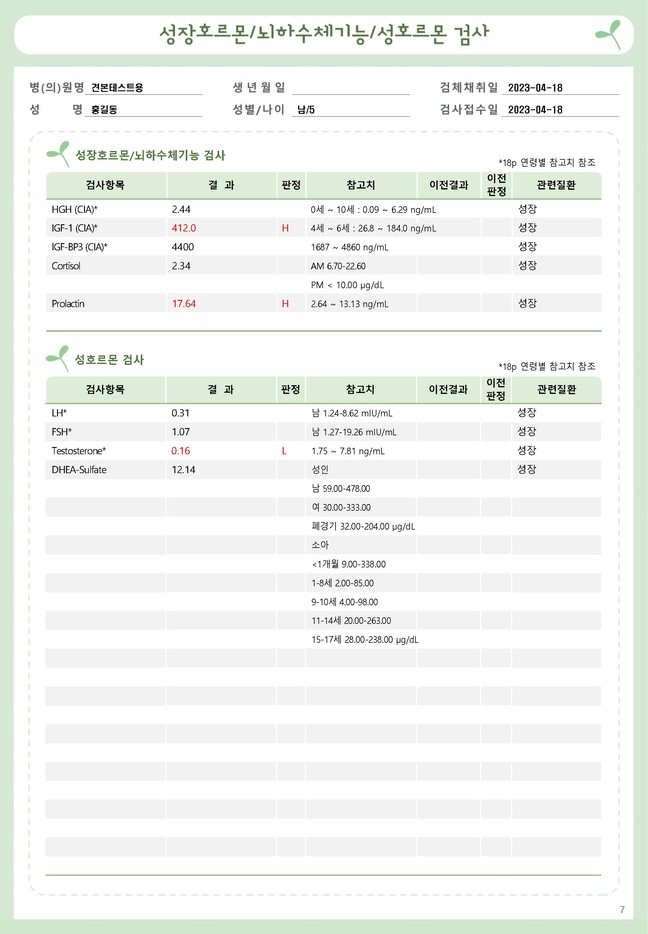
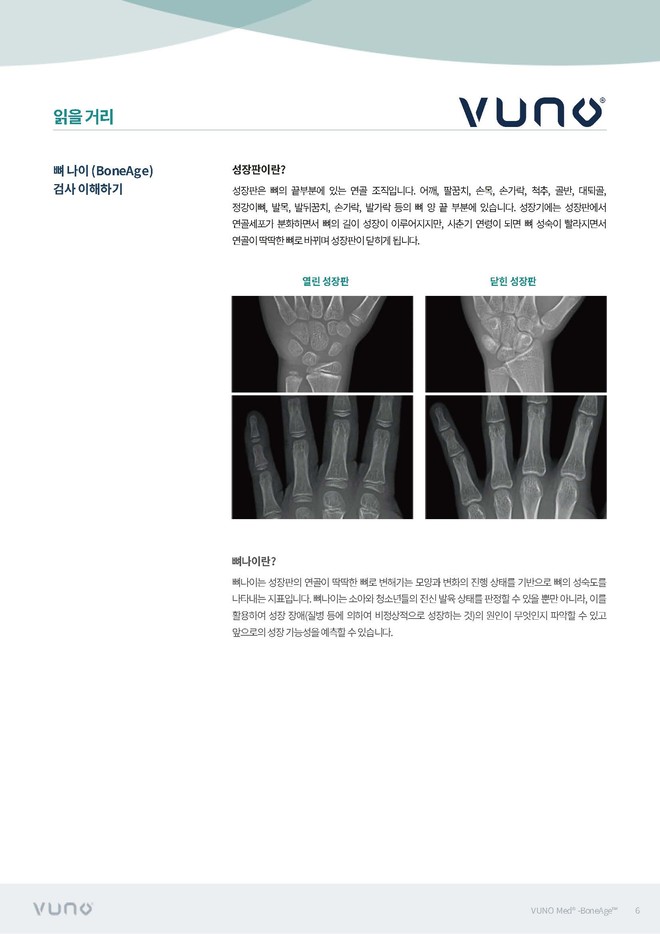
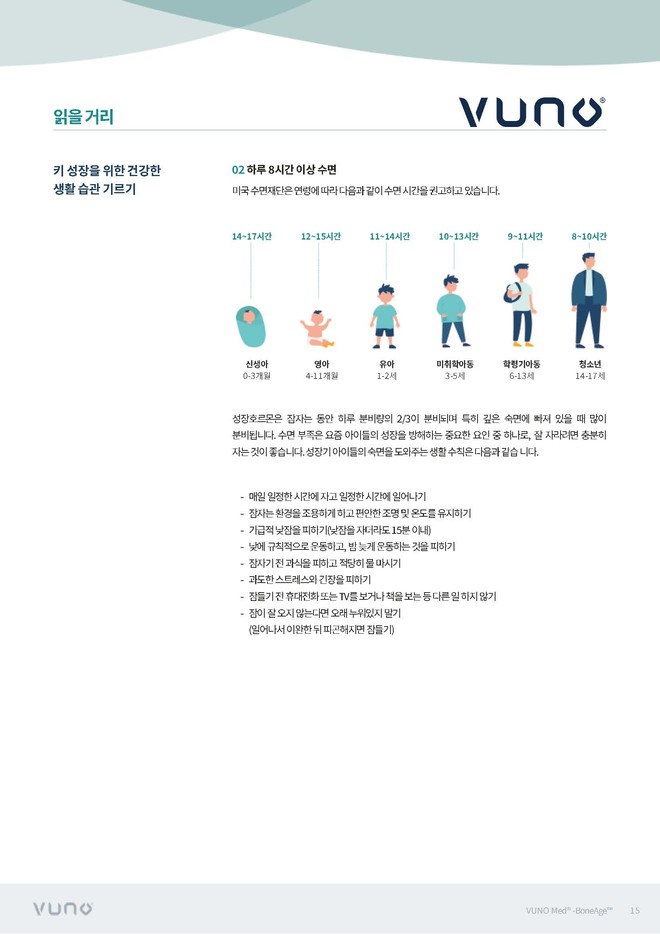
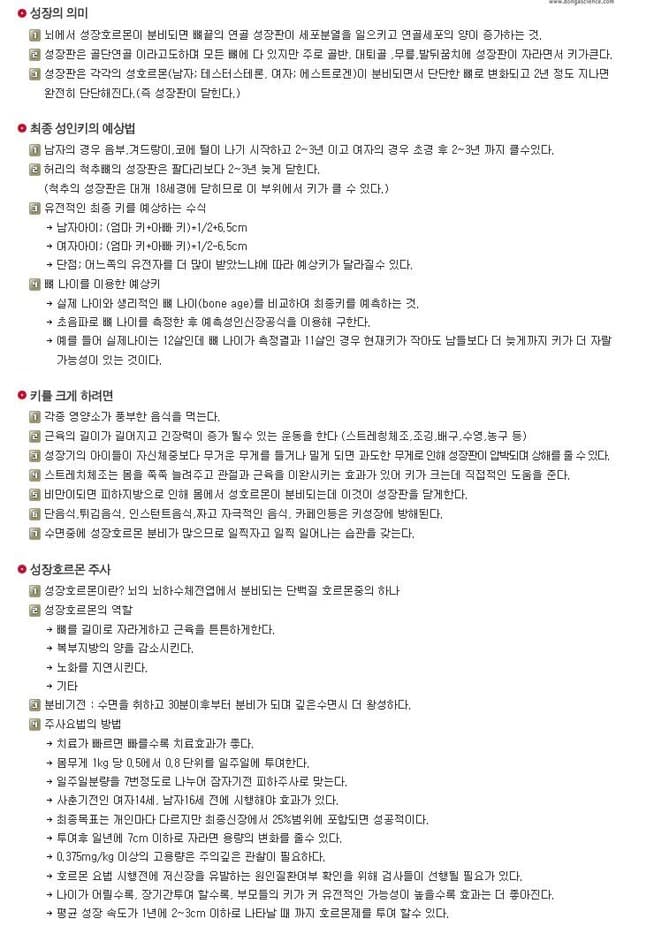
Growth occurs when growth hormone is secreted from the brain, triggering cell division in the cartilage growth plates at the ends of bones and increasing the amount of cartilage cells.
Growth plates, also known as epiphyseal cartilage, are present in all bones, but height growth primarily occurs through the growth plates in the pelvis, femur, knee, and heel.
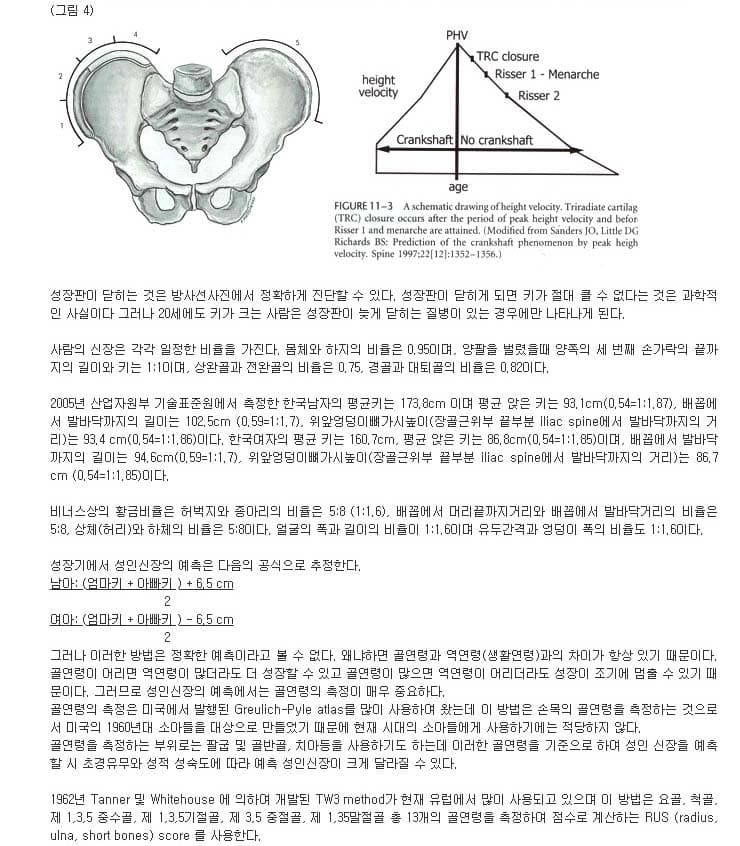
The growth plates harden into solid bone as sex hormones (testosterone in males, estrogen in females) are secreted, fully solidifying after about 2 years — meaning the growth plates have closed.
Predicting Final Adult Height
In boys, growth continues for 2-3 years after hair begins to appear in the pubic area, armpits, and nose. In girls, growth continues for 2-3 years after the first menstrual period.
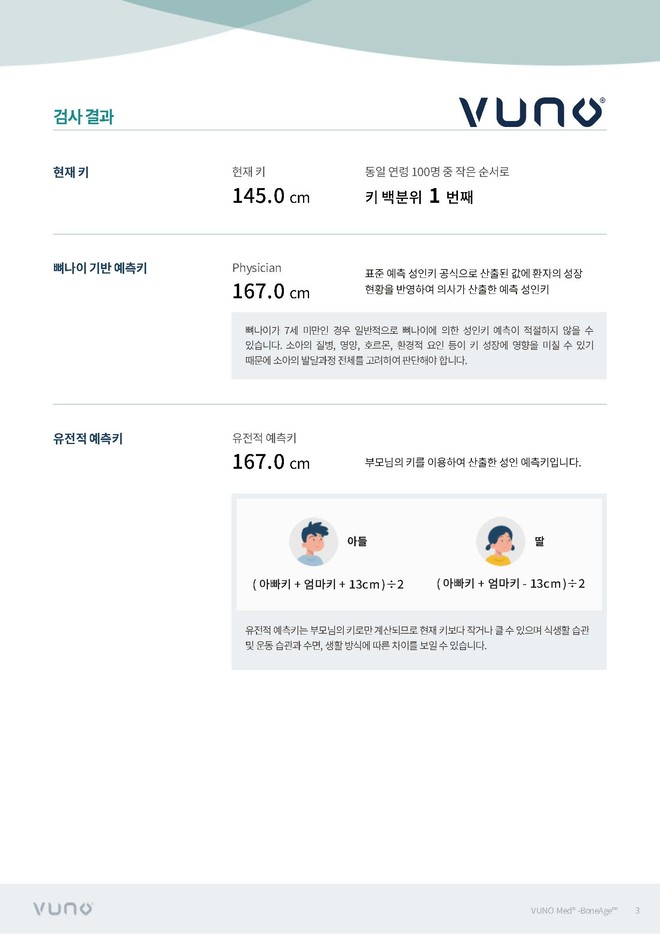
Formula for predicting genetically determined final height: Boys = (Mother's height + Father's height) / 2 + 6.5cm, Girls = (Mother's height + Father's height) / 2 - 6.5cm.
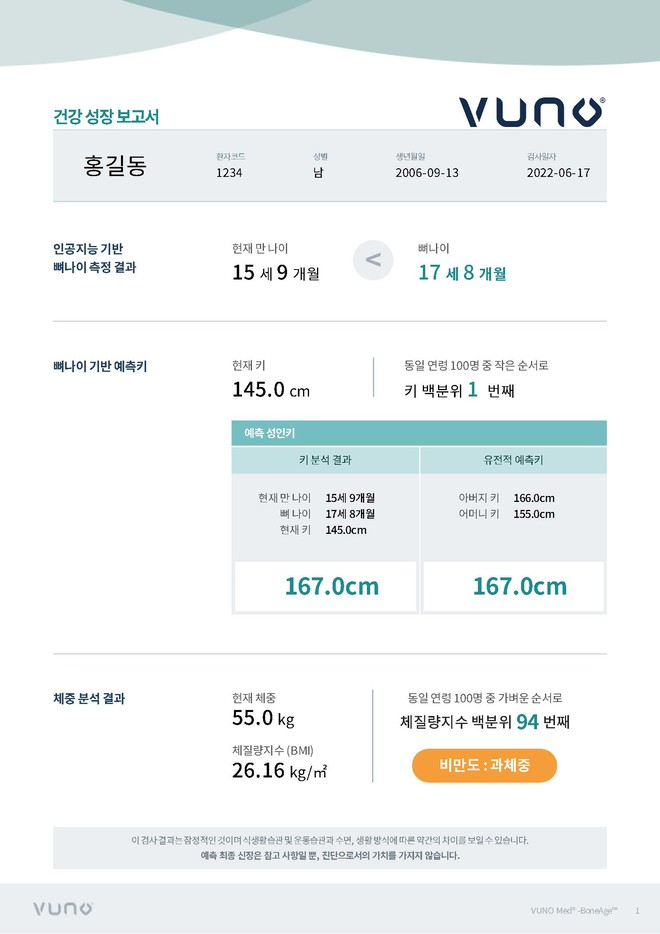
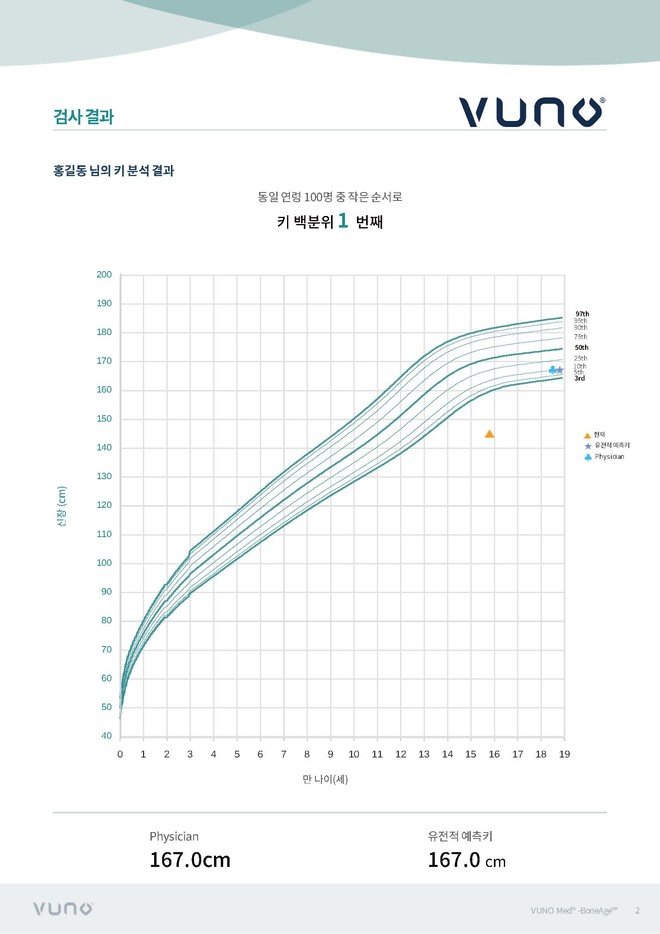
Predicted height using bone age: This method compares the actual age with the physiological bone age to predict the final height. After measuring bone age with ultrasound, the predicted adult height formula is applied.
Normal Height and Growth Velocity
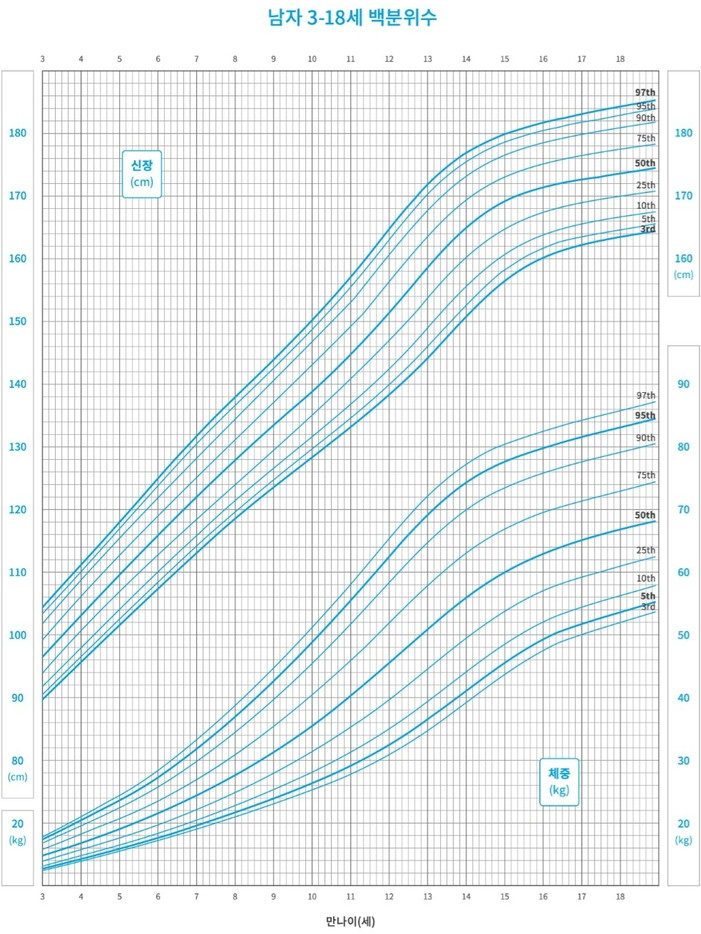
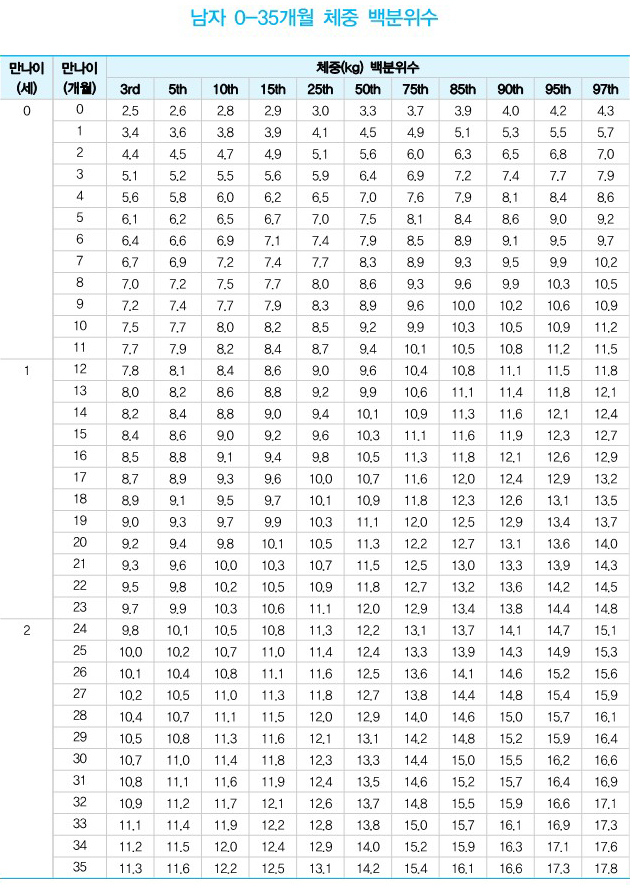
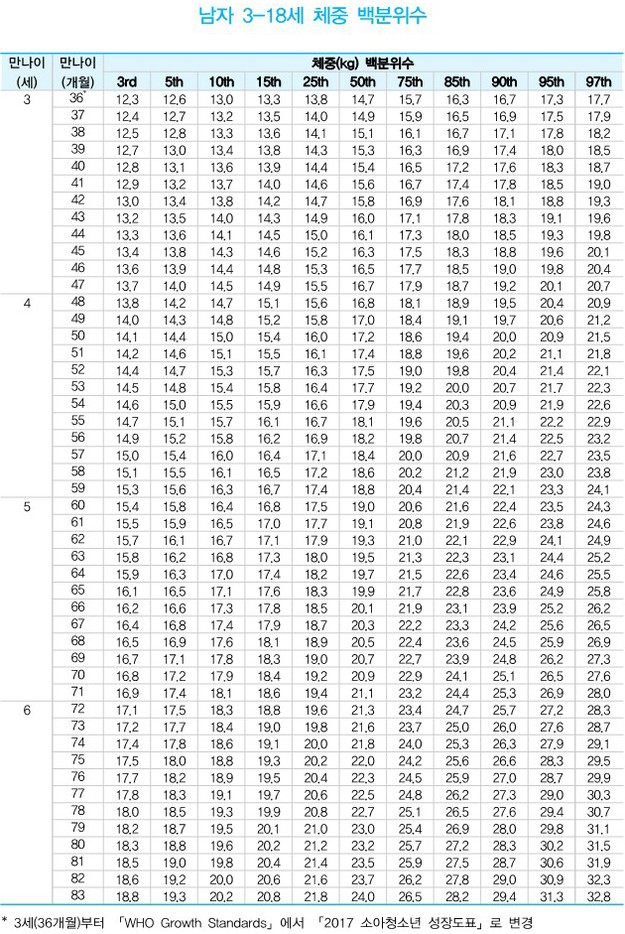
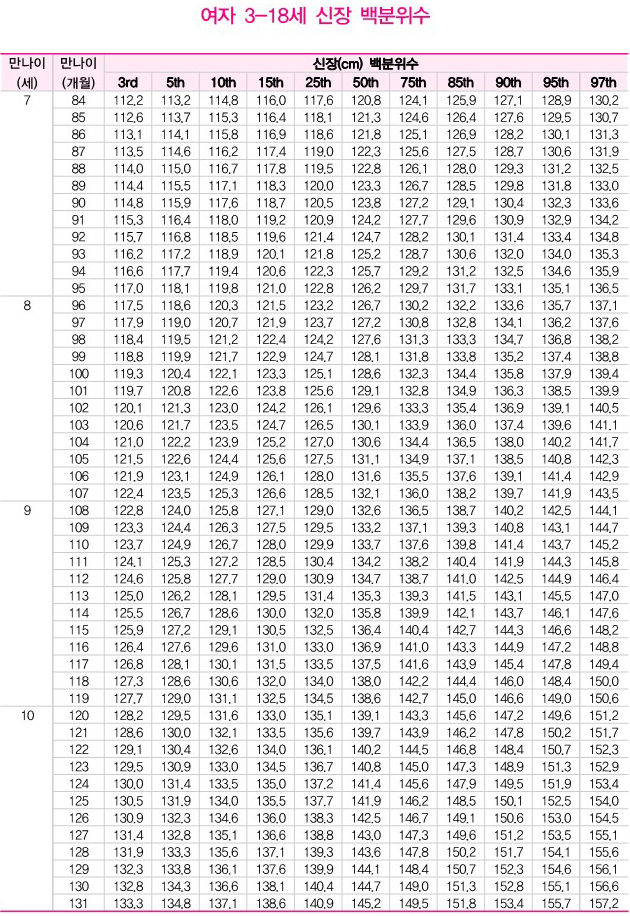
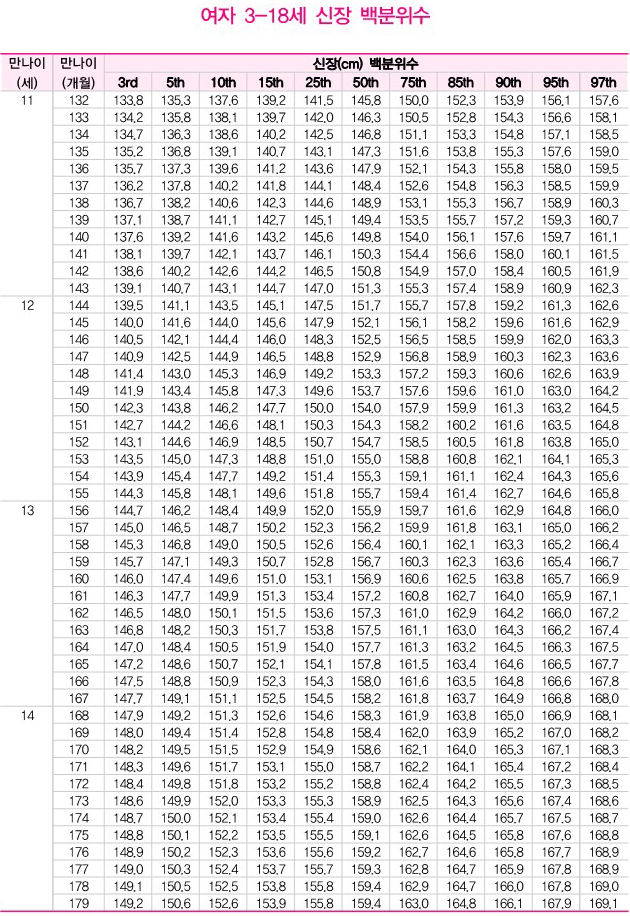
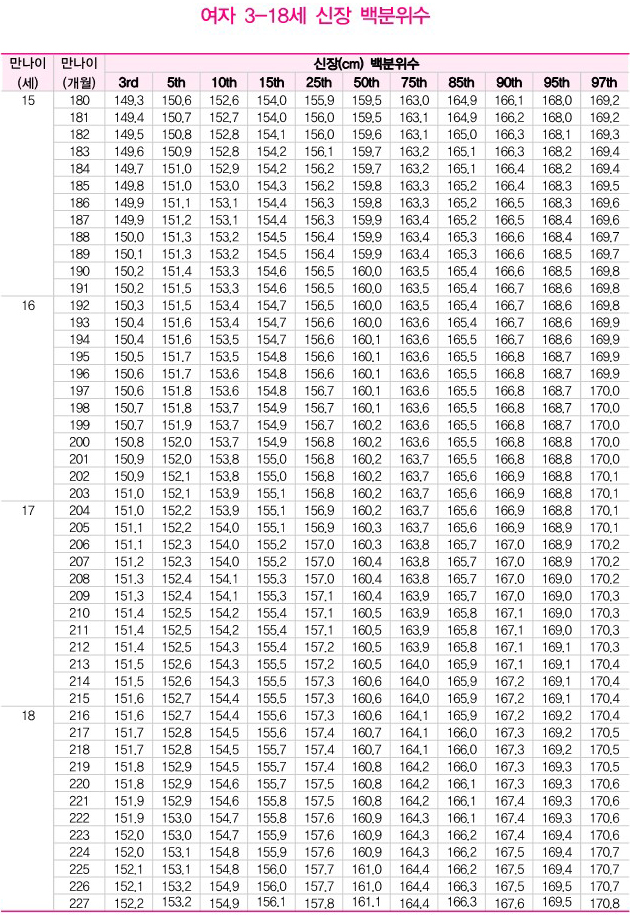
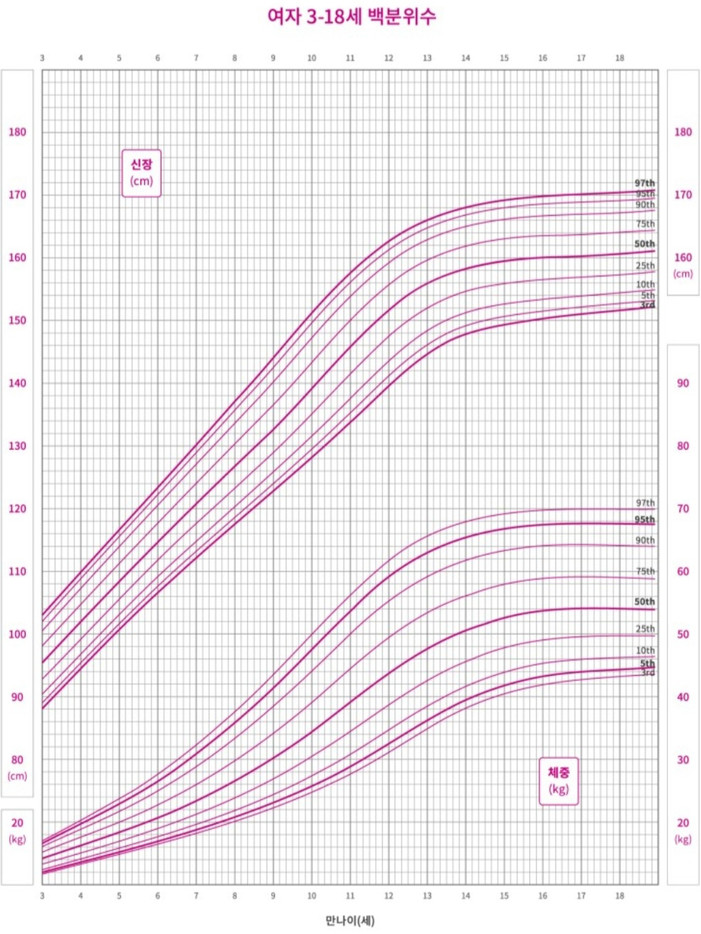
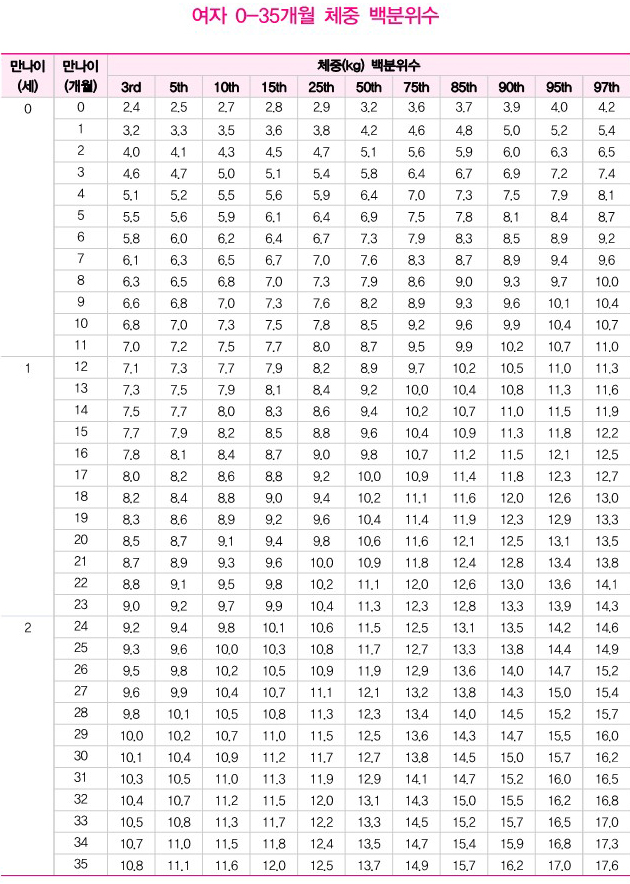
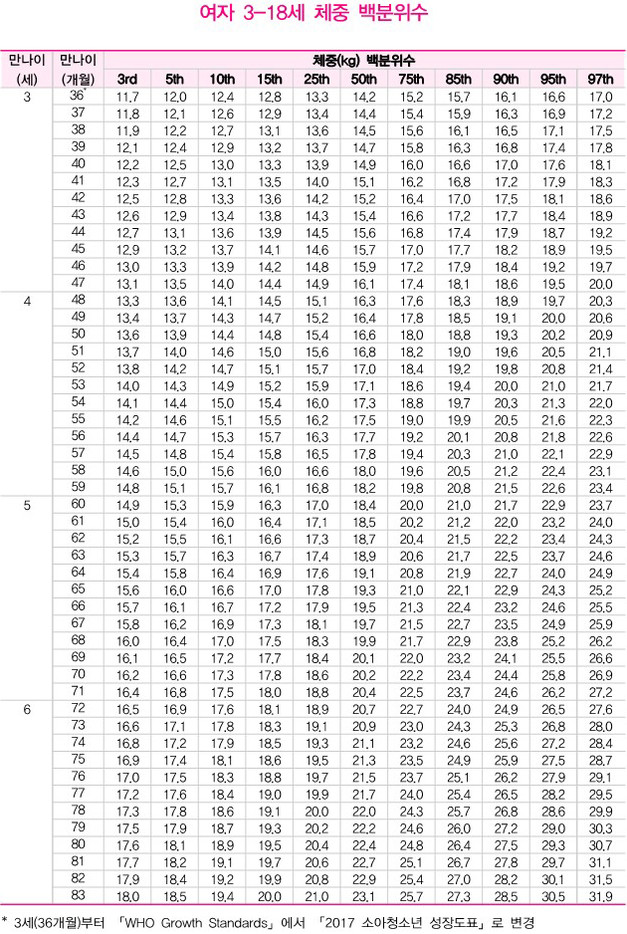
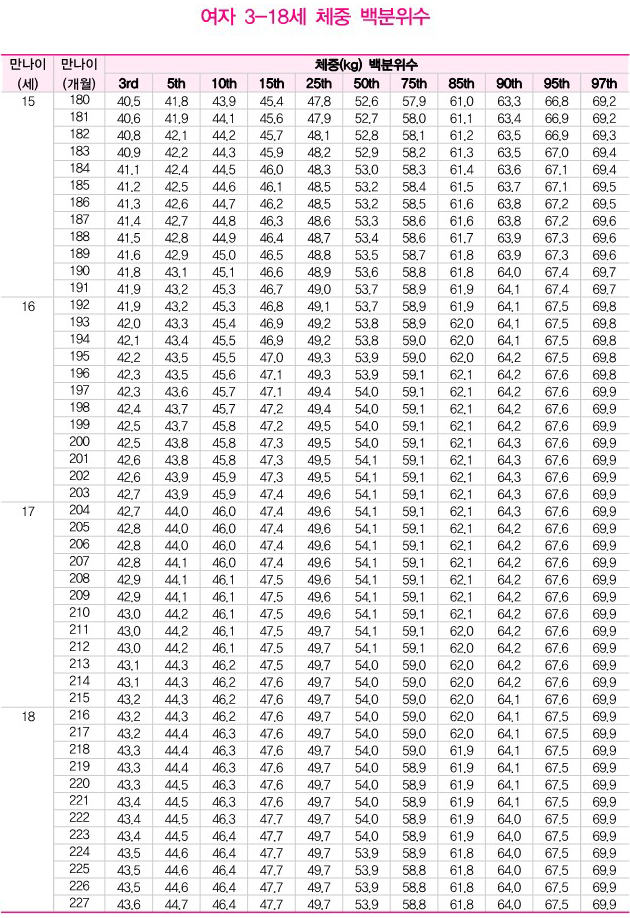
At birth, the average weight is 3,200g, with a threefold weight increase in the first year, reaching 9-10kg at age 1, 12kg at age 2, 14kg at age 3, and 16kg at age 4, with an average annual weight gain of 2-2.4kg until age 4.
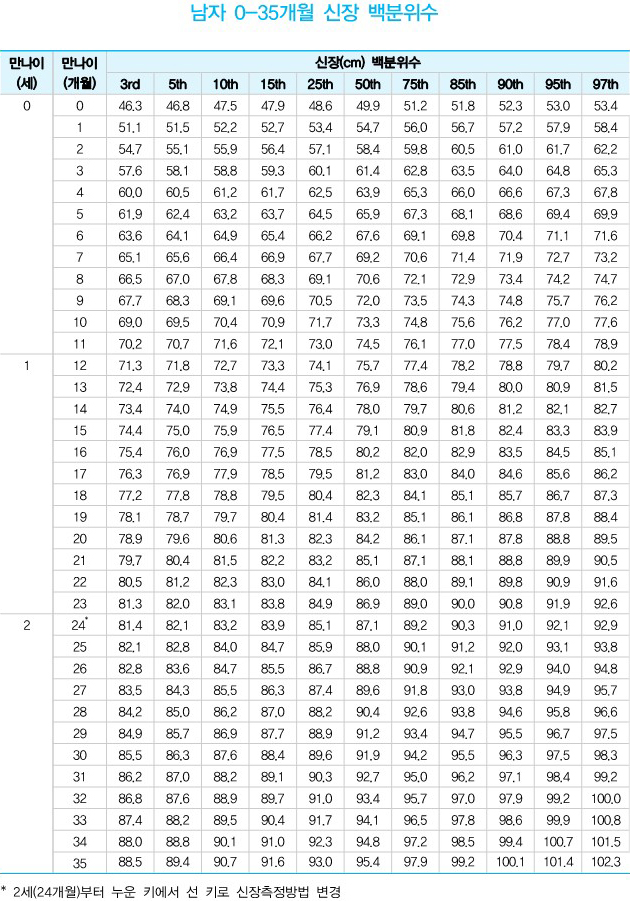
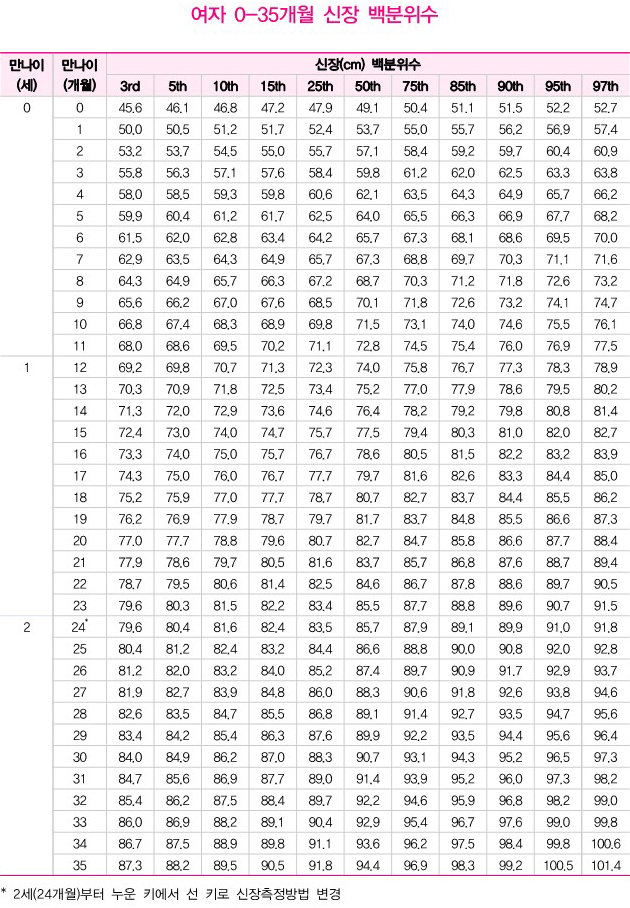
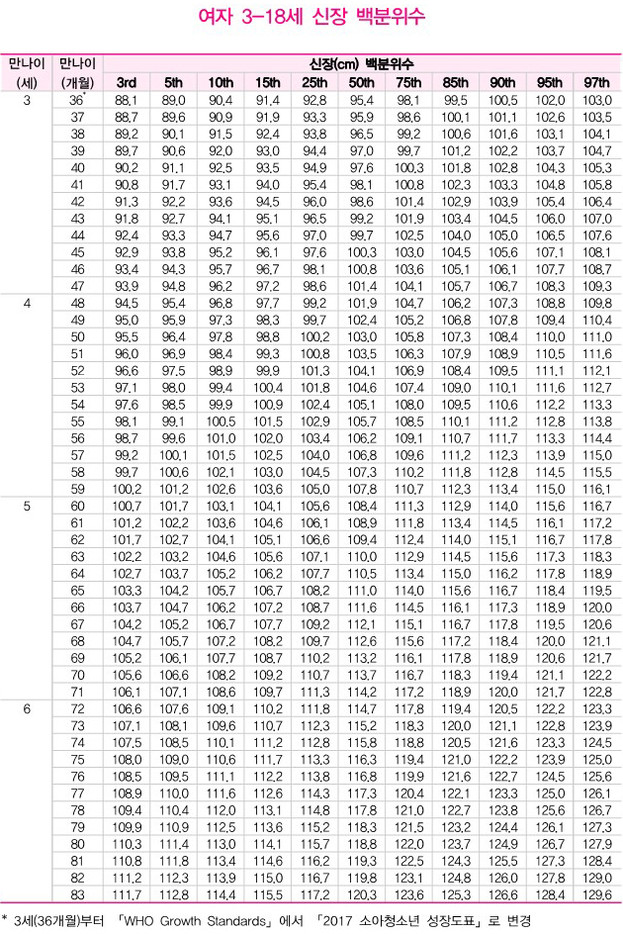
The average height at birth is 50cm, growing about 25cm in the first year (1.5 times the birth height). After that, average growth is 10cm at age 2, 8cm between ages 2-3, and 7cm between ages 3-4, so that by age 4, height is twice the birth height.
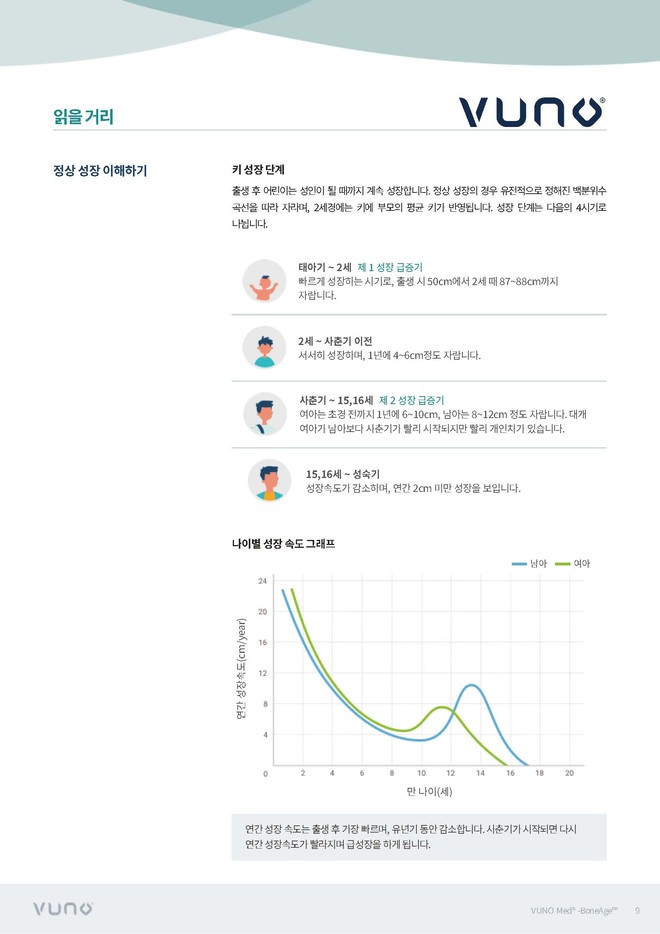
The onset of puberty occurs at an average of around 11 years in boys and around 9 years in girls, starting about 1-2 years earlier in girls. The age of peak growth velocity is approximately 13 in boys (10cm/year growth) and 11 in girls (8cm/year), so before age 13, girls are generally taller than boys.
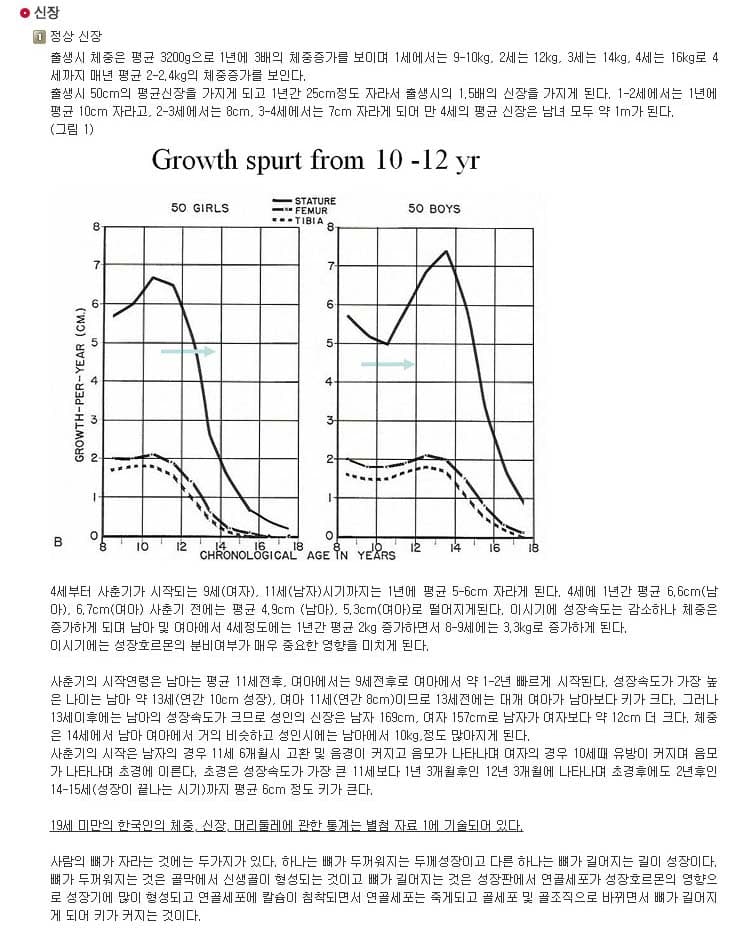
Growth Plate Examination
Growth plates are located in all 320 bones of the body. The lower limbs consist of the femur and tibia. The distal growth plate of the femur accounts for 65% and the proximal growth plate for 35% of femoral growth. In the tibia, the proximal growth plate accounts for 55% and the distal for 45% of tibial growth.
The most rapidly growing area in the body is the knee — the distal growth plate of the femur grows about 1cm per year, and the proximal growth plate of the tibia grows about 0.7mm per year.
Growth plates begin to close at the onset of puberty. In boys, the growth plates close 2-3 years after hair begins to appear in the pubic area, armpits, and nose. In girls, the growth plates close 2-3 years after the first menstrual period.
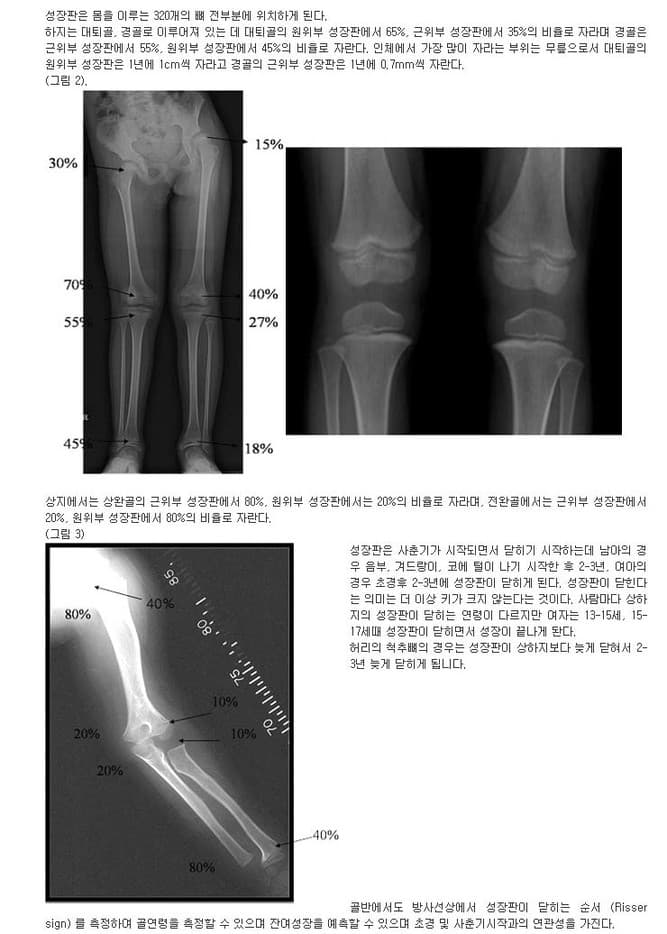
Bone Age Measurement
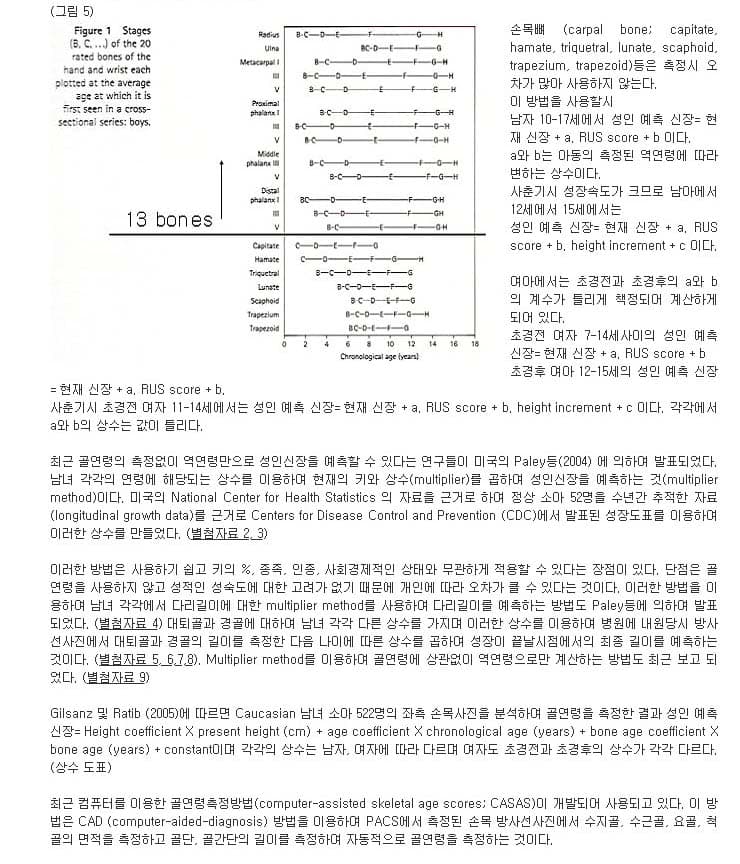
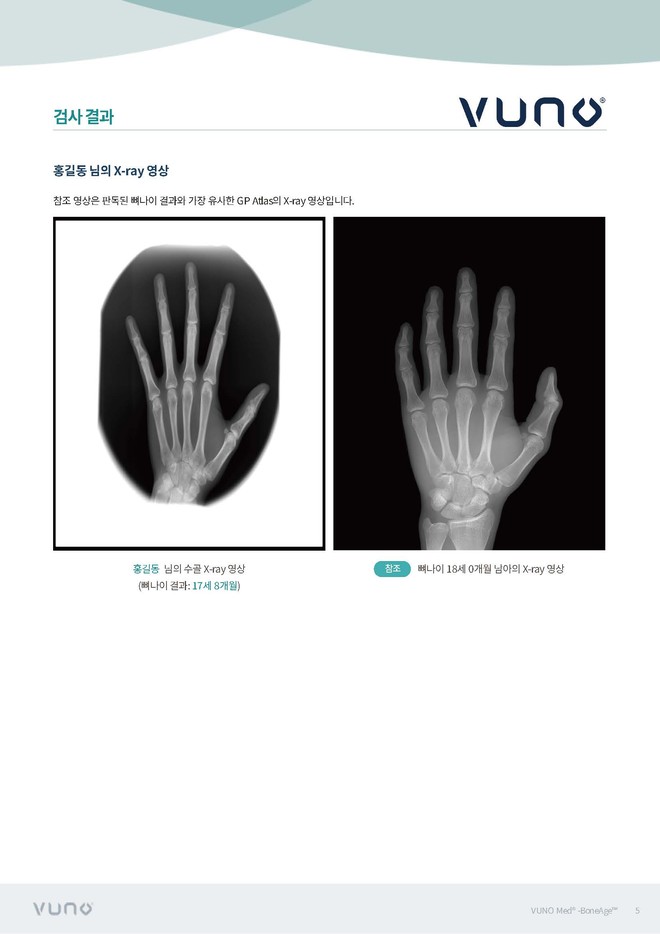
Bone age measurement has traditionally used the Greulich-Pyle atlas from the United States, which measures bone age from wrist X-rays. However, since this method was based on American children from the 1960s, it is not entirely suitable for children today.
Recently, computer-assisted skeletal age scoring systems (CASAS) have been developed and are in use. This method uses computer-aided diagnosis (CAD) to measure the areas of the phalanges, carpal bones, radius, and ulna from wrist radiographs on PACS, and automatically determines bone age by measuring the length of the epiphyses.
Bone age measurement is extremely important for predicting adult height because there is always a difference between bone age and chronological age. If the bone age is younger, the child may continue to grow even with an older chronological age; conversely, if the bone age is older, growth may stop earlier despite a younger chronological age.