公告 骨缺损/疾病融合治疗中心,国家医院特色研究中心..
高丽大学九老医院骨缺损/疾病融合治疗中心,
被保健福祉部指定为医院特色研究中心
加速开发比实际更真实的患者定制型人工骨
未来5年投入70亿韩元,集中攻略通过医疗器械开发商用化进军世界市场
高丽大学九老医院骨缺损及疾病融合治疗中心(中心长宋海龙)被保健福祉部指定为医院特色研究中心。
骨缺损及疾病融合治疗中心表示,为了治疗整形外科4大主要疾病——四肢及脊椎骨折、骨髓炎、人工关节、骨肿瘤,将正式开展研究活动。
计划到2015年为止,分阶段开发并商用化促进骨形成能力和功能性细胞融合的患者定制型人工支架,如生长因子涂层植入物、搭载抗生素的骨髓炎治疗用人工支撑体、搭载生长因子的骨再生用人工支撑体、搭载抗生素和生长因子的骨再生用人工支撑体等。
为此,中心计划未来5年集中投入政府支援金50亿韩元、科威尔美迪10亿韩元、三进制药10亿韩元等总事业费70亿韩元。
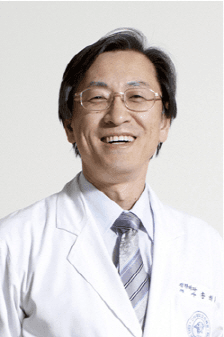
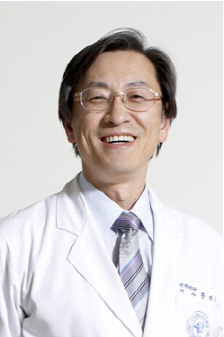
高丽大学九老医院骨缺损及疾病融合治疗中心主任宋海龙教授(整形外科)指出:“随着全世界进入超高龄化时代,2015年骨缺损及疾病海外医疗产业市场规模将达到52万亿韩元”,并表示“市场增长潜力巨大,有望成为为未来国家医疗产业发展做出贡献的蓝海。”
他接着强调说:“我们最大的优势是拥有世界级的临床及研究能力,建立了针对难治性骨疾病的最大临床数据库,并且可以与医疗器械临床试验中心合作,尽快实现开发商用化。我们将具备国际竞争力,以降低国内医疗器械的海外依存度,并堂堂正正地挑战世界市场。”
另一方面,医院特色研究中心是保健福祉部为了重点培养各医院拥有的最具竞争力的特色领域,重塑医院品牌价值而实施的大规模国家支援研究项目。
The Fusion Treatment Center for Bone Defect/Disease of Korea University Guro Hospital was designated as the National Hospital Specialization Research Center by the Ministry of Health and Welfare.
The Bone Defect/Disease Fusion Treatment Center will start research activities in order to develop new fusion methods for the four major OS issues: limb and spine fractures, osteomyelitis, artificial joints, and bone tumors.
It is planned to develop and commercialize custom-made artificial scaffold (bone substitute) to encourage bone formation capability and functional cell fusion such as an implant coated with growth factors, an artificial scaffold for the treatment of osteomyelitis with mounted antibiotics, an artificial scaffold for osteogenesis with mounted growth factors, an artificial scaffold for osteogenesis with mounted antibiotics and growth factors, etc. in steps until 2015.
Professor Hae-Ryong Song, the Director of the Bone Defect/Disease Fusion Treatment Center of Korea University Guro Hospital, indicated, “As the world enters into a time with a large number of elderly, the size of the foreign medical industry market for bone defect/disease will reach 52 trillion KRW in 2015,” and said, “As the market growth potential is large, the market will be the blue ocean which can support the national medical industry development in the future.”
He said, “Our strongest point is that world-class clinical and research capabilities and the largest clinical database for inveterate bone diseases is provided and that prompt development and commercialization is possible in connection with the medical device clinical center,” and emphasized, “We will have international competitiveness in order to reduce the foreign dependence of domestic medical devices and challenge the world markets in an imposing manner.”