Notice: [Specialized Center] Korea University Guro Hospital Develops 'Customized Artificial Bone'...
[Cookie Health] "Bone defects occur more often than we think in our daily lives, and there are many patients who suffer from them. If we develop artificial bones and supports tailored to the individual's body condition and create bones that fit the patient's body, we can reduce the possibility of reoperation and live a much more enjoyable life."
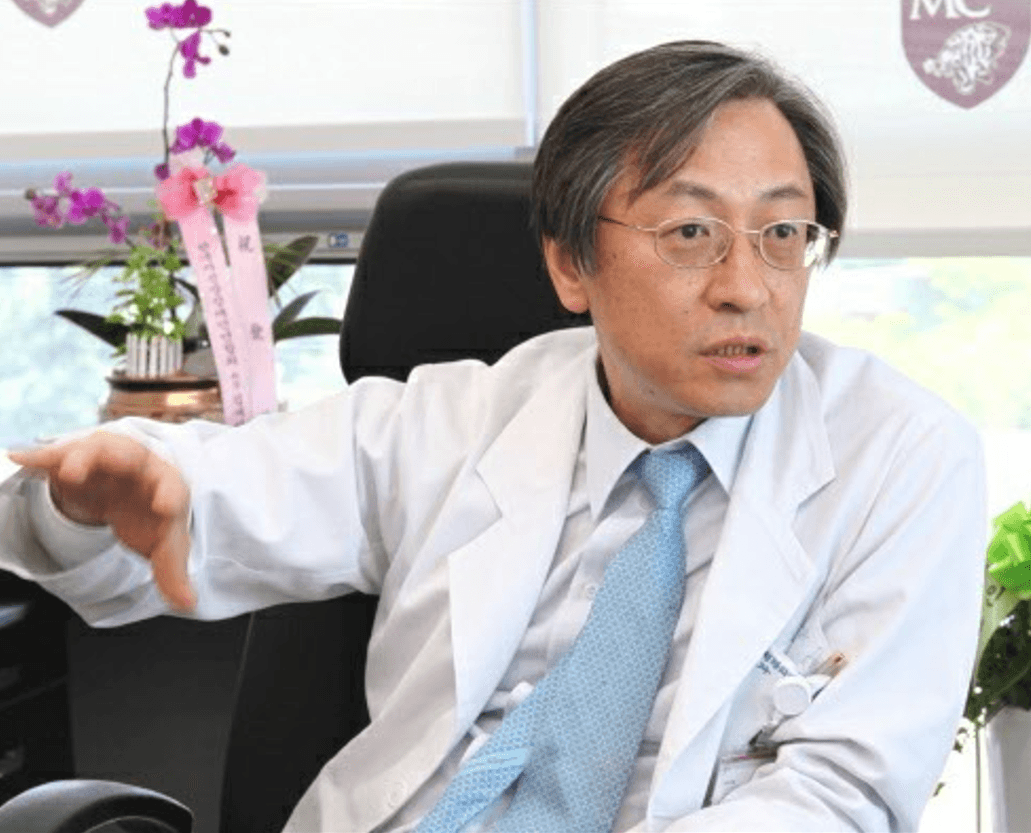
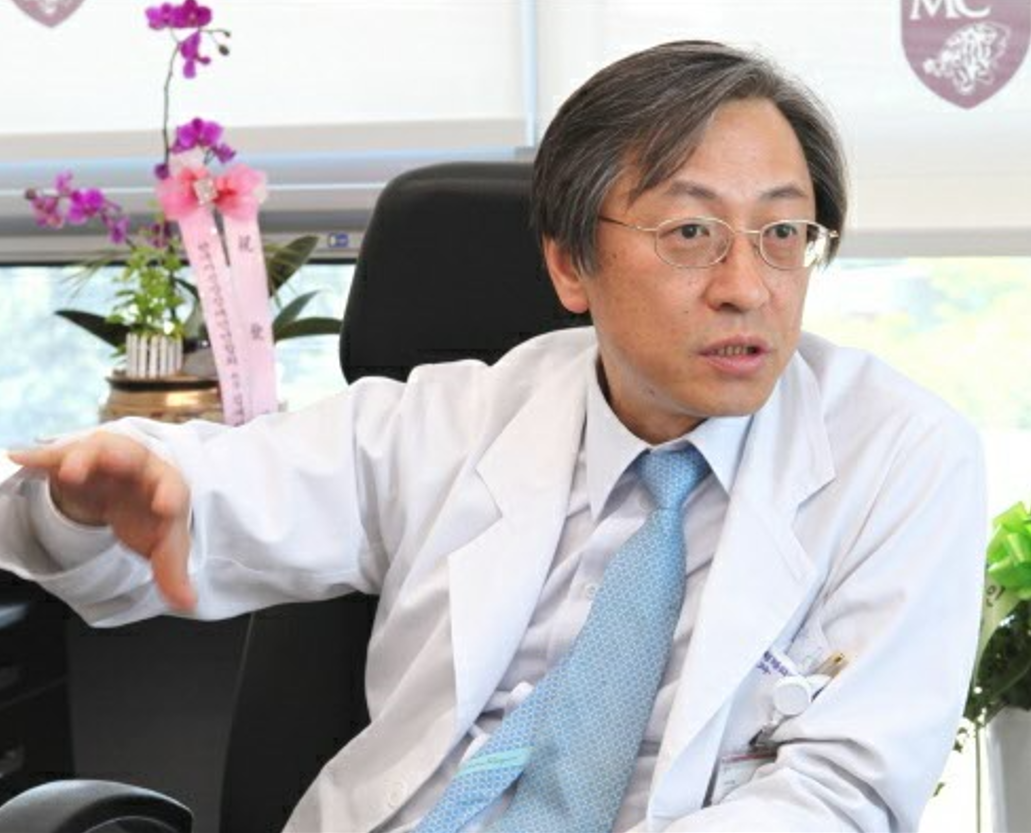
Song Hae-ryong, Head of the Bone Defect Disease Convergence Treatment Center at Korea University Guro Hospital (Orthopedic Surgery, pictured), emphasized the importance of bone defect treatment as follows. Bone defects commonly occur due to traffic accidents, fractures, sports injuries, and surgery due to other diseases, and affect the quality of life.
Center Director Song said, "The center is conducting detailed research on bone defects, including basic research, bone regeneration, and drug administration," and added, "The basic direction of the research conducted at the center is to have global competitiveness in national health and bone defect technology."
◇Patient-tailored artificial bone surgery that complements the shortcomings of existing surgical methods
When a traffic accident occurs or a fracture occurs due to trauma, part of the bone is inevitably lost. In cases where brain surgery is required, a portion of the skull is cut off for surgery, so after the brain surgery is completed, the empty space in the defective bone is replaced with cement or steel plates.
Bone cement surgery, which mainly uses cement to create artificial bones, has been performed for bone defect treatment. However, it has the disadvantage of potentially affecting the human body in contact with the fractured area or lesion, and its effects can only be seen at least 6 months after the fracture.
In addition, cement or steel plates can generate heat, which makes it difficult to select antibiotics, and a second surgery to remove the bone cement is inevitable.
The center's goal is to compensate for these shortcomings of current bone grafts by creating and transplanting a three-dimensional artificial support loaded with antibiotics to fit the size of the patient's defect. The support is inserted by accurately measuring the area where bone loss has occurred.
It is similarly applied to patients with bone deformities due to neurofibromatosis, rheumatoid patients, and sports injury patients, in addition to simple traffic accident patients.
Center Director Song said, "The core of the center's technology is to insert an artificial support that is perfect for each individual patient," and added, "We are conducting preclinical experiments on a technology that complements the limitations and disadvantages of existing surgical methods by loading antibiotics into the support for natural release, and we expect it to be commercialized soon."
◇Leading new medical technology research supported by the government and corporations
The Bone Defect Disease Convergence Treatment Center at Korea University Guro Hospital has been selected as an institution to carry out the ‘Health and Medical Project for National Competitiveness Development’ supported by the Ministry of Health and Welfare, and is developing related technologies. 7 billion won will be invested over 5 years, including subsidies from companies such as Samjin Pharmaceutical, Zenos, and BNC Korea. It is the second largest project among those implemented by the Ministry of Health and Welfare, and transparent research is conducted by receiving annual evaluations of research results and progress each year.
In particular, the research on adipose stem cells, which is the third detailed research project, bone defect reconstruction surgery containing functional cells, is a field of interest to the Ministry of Education, Science and Technology, the Ministry of Strategy and Finance, the Ministry of Knowledge Economy, and the Ministry of Food and Drug Safety, and is also a matter of national interest.
The center has secured a dedicated animal laboratory where various experiments can be conducted for smoother research. Spaces have been created where more than 100 animals can be directly raised within the center by securing small animal rooms for raising mice and medium animal rooms for raising rabbits, etc.
Research Professor Kim Seong-eun (Orthopedic Surgery) explained, “It is not easy to have these facilities within a university hospital, but because it is a support project conducted by the government and the goal is to have unique technology for bone defects and stem cells, the hospital is also providing full support.”
◇Goal is to have global competitiveness by developing unique technologies
The center's ultimate goal is to improve national health and commercialize the developed medical technology. In fact, in the first year of research, we also developed a technology that can replace existing products. We are currently planning preclinical trials of products that can replace the cruciate ligament during knee joint surgery in orthopedics, etc., and preclinical trials of artificial supports loaded with antibiotics will begin in December of this year.
The center plans to generate technology licensing revenue when medical technology is developed and reinvest it in research. Through this, the goal is to develop cutting-edge bone disease treatment technology and attract overseas patients with Korea's unique bone defect treatment technology by 2020.
Center Director Song said, "It is not easy to return a person suffering from a rare disease or someone who has had a bone fracture to its original form," and added, "If the technology is developed and commercialized, hundreds of millions of people around the world who have suffered bone damage due to traffic accidents and various surgeries will live new lives."
He emphasized, "The competitiveness of the center must become the competitiveness of Korea University Medical Center, and furthermore, the competitiveness of Korea through overseas technology transfer," and added, "The pain of bone defect patients is more severe than you think, but because it does not immediately affect life, it has received less attention compared to cancer or other diseases. However, from now on, we must develop independent technologies through research for them and compete with the world." 국민일보 Cookie News Reporter Kim Seong-ji ohappy@kukimedia.co.kr